VAR Chaos Again in the Premier League as Soft Penalties and Missed Calls Leave Fans Fuming
Confusing Weekend of Decisions
It was another weekend full of VAR drama in the Premier League. Penalties were given, cancelled and ignored, and once again supporters were left wondering what the rules actually mean.
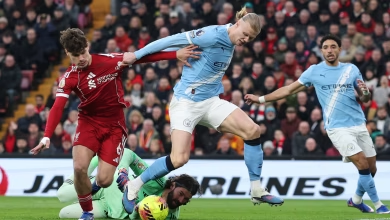
From Manchester City’s controversial spot-kick against Liverpool to Brighton’s overturned penalty at Crystal Palace, the video assistant referee was at the centre of almost every major game.
VAR is not there to create consistency but to judge each individual incident based on the on-field referee’s call. That is why similar moments can lead to totally different outcomes.

Why Doku’s Contact Was Enough
When Jeremy Doku went down under Giorgi Mamardashvili’s challenge, referee Chris Kavanagh first waved play on. VAR Michael Oliver asked him to check the monitor, and a penalty was awarded.
The contact was small, but the key factor was “contact with consequence.” Doku tried to stay on his feet and continue towards goal, which suggested the contact genuinely stopped him.
It may have looked soft, but VAR believed the challenge had a real impact on Doku’s ability to play the ball.
Why Ouattara’s Appeal Was Rejected
In contrast, Dango Ouattara was booked for diving after going down under Dan Burn’s challenge. It looked similar, but VAR decided there was no “contact with consequence.”
Ouattara fell theatrically, which counted against him. VAR judged he went down looking for a penalty rather than reacting naturally to contact.
A similar case earlier this season saw Arsenal’s Max Dowman win a penalty against Leeds after minimal contact. The Premier League’s key match incidents panel later ruled the decision wrong but said VAR was correct not to intervene.
This shows how difficult it is for fans to understand. Some errors are seen as “not enough” to be overturned, leaving everyone frustrated.

When Can VAR Review Yellow Cards
VAR usually cannot review yellow cards, but there are exceptions. Brighton’s Georginio Rutter was booked for diving against Crystal Palace, and the decision was correct because there was no contact.
However, Ouattara’s yellow card for simulation could not be reviewed unless VAR believed it was actually a penalty. The same thing happened to Fulham’s Josh King earlier this season.
Next season, second yellow cards are set to become reviewable, which will create even more complexity. A player could have a second booking overturned for simulation, but not a first one.
If a yellow card is shown for a penalty that is later cancelled, the booking can also be removed. In Burn’s case, if his foul had been overturned, he would have stayed on the pitch.
Once again, a weekend of Premier League action left players, coaches, and fans asking the same question — when will VAR finally make sense?